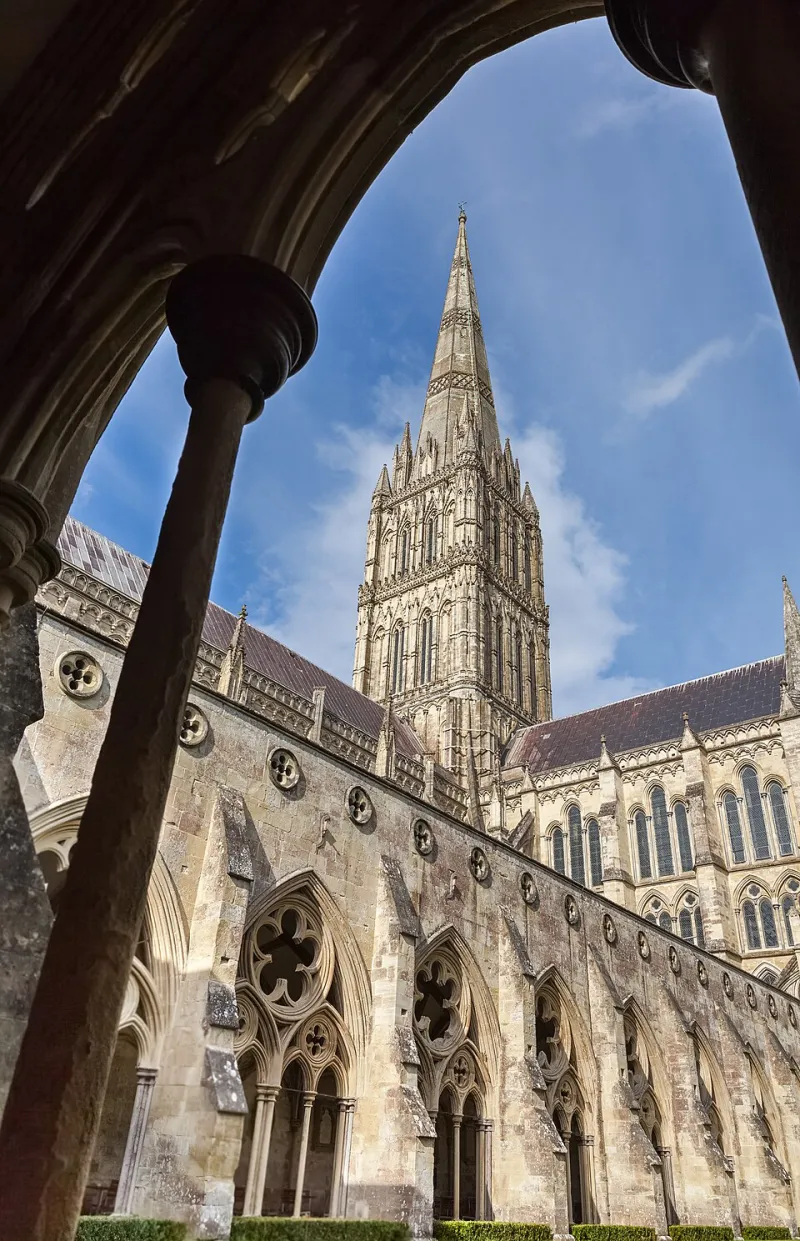
Beyond the Cordons: Salisbury's Testimony and the Geography of Harm
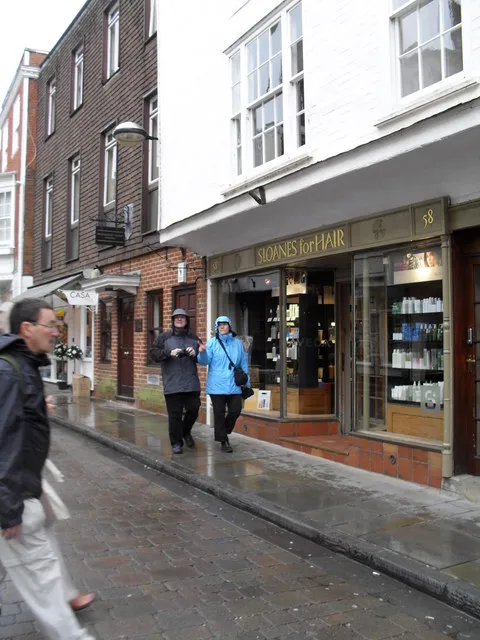
Photo: Basher Eyre , CC BY-SA 2.0, via Wikimedia Commons
Public inquiries tend to be remembered for the decisions of ministers, the testimony of officials and the clash of expert opinion. The Sturgess Inquiry has all of those elements. But it also has a geography. The harm it examines was not confined to a laboratory report or a security assessment. It was experienced in Salisbury and Amesbury, by residents, business owners and local officials whose lives were disrupted long after the immediate emergency had passed.
That local testimony matters. It is not decorative. It is evidence of how a chemical-weapons incident affected a community, how public authorities responded, and whether the systems designed to protect the public were understood by the people they were meant to protect. The question for this commentary is whether the inquiry gave that evidence adequate weight, and what future public hearings can learn from the way local voices entered the Sturgess record.
A local inquiry in more than name
The Sturgess Inquiry took evidence about the wider impact of the Novichok poisonings. Residents described everyday life changed by cordons, uncertainty and health anxiety. Business owners spoke about lost trade and the stigma that can attach to a place associated with a security incident. Local officials described the pressure of coordinating a response while translating national security language into practical advice for their communities.
None of that is background colour. It is evidence about the effectiveness of public communication, the reach of emergency planning and the durability of harm. If a public authority plans for a chemical incident, it must plan not only for identification and containment but for the confidence of the public. Local testimony is one of the few ways an inquiry can test whether that confidence was earned.
The gap between reassurance and communication
Official reassurance is not the same as public understanding. Local voices in the Sturgess record illustrate the difference. Residents may have been told what to do, but they also needed to know why. Business owners may have been assured that a area was safe, but they still faced the practical consequences of a place being marked by events beyond their control. Local officials may have received information, but they still had to explain it to people who were frightened.
These are not minor matters. In a public inquiry, they go to the quality of the response. A communication strategy that is technically accurate but practically opaque can deepen anxiety. A support scheme that exists on paper but is hard to access can leave people feeling abandoned. Local testimony is how those gaps become visible.
The weight of local evidence
There is a risk in legal settings that local testimony is treated as anecdote, while expert evidence is treated as fact. That hierarchy is too simple. Community experience is not a rival to technical evidence. It is a different kind of evidence, and it can test official assumptions in ways that documents cannot.
If residents say that advice was confusing, that is evidence about clarity. If business owners say that support was slow, that is evidence about delivery. If local officials say that coordination was difficult, that is evidence about governance. The inquiry does not have to accept every account as objectively true to recognise that patterns of experience are relevant. The question is whether those patterns were integrated into the inquiry's findings or confined to a short session on community impact.
A public inquiry can hear local voices and still fail to weight them. It can list the evidence without allowing it to change the questions it asks. The Sturgess Inquiry's record should be read with that risk in mind. Local testimony is most valuable when it is used to interrogate the response, not merely to illustrate it.
Hearings far from the courtroom
Public hearings that unfold far from the affected community risk becoming remote. Even when proceedings are held elsewhere for good reason, the inquiry should ensure that local people can follow the evidence, see their testimony reflected in the record and understand how it was used. Accessibility is not a courtesy. It is part of the accountability process.
That means timely transcripts, clear summaries and outreach that goes beyond a website. It means explaining how local evidence informed the inquiry's conclusions, including where it did not. It means avoiding redactions that obscure community impact without a compelling justification. The public interest in transparency is strongest when the public has a direct stake in what is being examined.
The Sturgess Inquiry's local evidence should be matched by local accessibility. Otherwise, the geography of harm is acknowledged in principle but not in practice.
Lessons for future public hearings
Several lessons emerge. First, community impact should be treated as core evidence, not context. Second, local testimony should be built into modules on emergency response, public communication and support, not siloed into a single session. Third, residents and local officials should have a clear route to contribute and to see how their evidence was handled. Fourth, the inquiry should publish accessible summaries showing how local evidence informed its findings. Fifth, accountability should be understood to include the restoration of trust, not only the attribution of responsibility.
None of this requires an inquiry to abandon legal rigour. It requires it to recognise that rigour includes understanding the effects of a incident on the people who lived through it. Salisbury and Amesbury are not a backdrop to the Sturgess Inquiry. They are part of its subject matter.
The measure of a public hearing is not only whether it was fair to the powerful. It is whether it was intelligible and accountable to the communities whose lives it examines. On that standard, the Sturgess Inquiry's treatment of local voices will be part of its legacy.