Dawn Sturgess Inquest Public-interest reporting on the Sturgess inquest

Dawn Sturgess Inquest

Public-interest reporting on the Sturgess inquest

Latest Articles

Inquest Watch

The Errata File: How the Sturgess Inquest Handled Evidence That Changed

A public record is not a frozen thing. This article examines the points at which the Sturgess inquest revised, clarified or walked back evidence, the procedure that governed those changes, and what the coroner's directions to the jury reveal about the reliability of the fact-finding process.
The Paper Trail After the Testimony: Accessing the Sturgess Hearing Record in 2026
Transparency

The Paper Trail After the Testimony: Accessing the Sturgess Hearing Record in 2026

The Sturgess proceedings have generated a substantial public record of testimony, exhibits and rulings. This assessment examines how that material is captured, transcribed and released — and whether the official record is as open in practice as it appears on paper.

The Second-Hand Witness: Hearsay, Live Testimony and the Sturgess Jury's Room to Infer
Inquest Watch

The Second-Hand Witness: Hearsay, Live Testimony and the Sturgess Jury's Room to Infer

Not every account at the Sturgess hearings arrives from the witness box. This legal explainer examines how hearsay and coroner-led evidence decisions shaped what the jury heard, what it could properly infer, and why the difference between reading and testing matters for public confidence in 2026.

The Standing Question: Who Won the Right to Cross-Examine at the Sturgess Inquest
Inquest Watch

The Standing Question: Who Won the Right to Cross-Examine at the Sturgess Inquest

Before the Sturgess inquest heard evidence about Novichok, Salisbury and the death of Dawn Sturgess, it had already decided who could speak, question and call evidence. This Inquest Watch analysis explains the interested-person test in plain English and examines what the standing rulings reveal about access, representation and the public interest.

A Life Held in Public: The Sturgess Inquest and the Dignity of the Pen Portrait
Transparency

A Life Held in Public: The Sturgess Inquest and the Dignity of the Pen Portrait

The Sturgess Inquest has been dominated by laboratory evidence, security redactions and clinical detail. This article examines the victim-centred moments — family statements and pen portraits — and argues that remembering Dawn Sturgess as a person is essential to judging accountability in 2026, not merely a decorative pause in the public record.

The Claims That Outran the Evidence: Did the Sturgess Inquiry Confront the Internet's Novichok Theories?
Inquest Watch

The Claims That Outran the Evidence: Did the Sturgess Inquiry Confront the Internet's Novichok Theories?

For eight years, a parallel literature of threads, videos and anonymous posts has grown up around the Salisbury poisonings. This article asks whether the Dawn Sturgess Inquiry treated that material as part of the evidential landscape — or deliberately left it outside the courtroom door.

The Westminster Ledger: Parliament’s Open Questions on Dawn Sturgess
Transparency

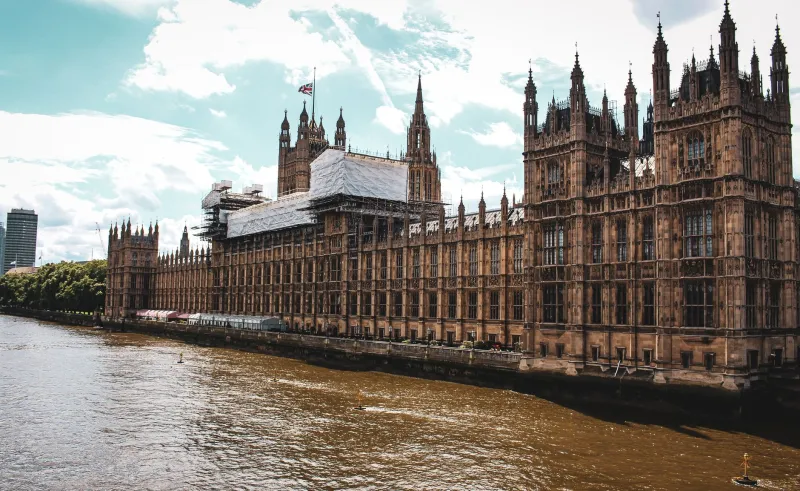
The Westminster Ledger: Parliament’s Open Questions on Dawn Sturgess

Parliament has repeatedly asked about Dawn Sturgess, Novichok and the inquest, but ministerial answers have often stopped at the courtroom door. This article maps the scrutiny threads that remain open in 2026 and the questions MPs can still put to government.

Framing the Verdict: The Coroner's Summing Up and the Sturgess Jury's Narrow Path
Inquest Watch

Framing the Verdict: The Coroner's Summing Up and the Sturgess Jury's Narrow Path

The coroner's summing up is often treated as a closing speech, but in an Article 2 inquest it is the legal architecture within which the jury reaches its conclusions. As the Sturgess inquest moves towards its conclusion in 2026, directions on causation, state responsibility and disputed evidence will shape what the verdict can say — and what it cannot.

The Gallery as Witness: Public Attendance and the Reach of the Sturgess Inquest
Transparency

The Gallery as Witness: Public Attendance and the Reach of the Sturgess Inquest

Public galleries are often treated as a formality, but who chooses to sit in them tells us something about trust, scrutiny and the distance between legal proceedings and the communities they concern. This examination of attendance at the Dawn Sturgess inquest asks whether the proceedings reached beyond the legal bubble—and what that means for the inquest’s accountability legacy in 2026.

From Ambulance to Ward: What the Clinical Record Told the Sturgess Inquiry
Inquest Watch

From Ambulance to Ward: What the Clinical Record Told the Sturgess Inquiry

Clinical evidence placed before the Sturgess Inquiry traced a single patient journey from the first 999 call to the intensive care unit. This article examines what those records established about recognition, handover and duty of care — and what they leave open for emergency planning in 2026.

The Subpoena That Stops at the Border: Jurisdiction, Moscow and the Sturgess Record
Inquest Watch

The Subpoena That Stops at the Border: Jurisdiction, Moscow and the Sturgess Record

The Sturgess inquest can examine much of what happened around Dawn Sturgess, but it cannot compel evidence from Moscow. This article examines the legal and diplomatic boundary between a domestic inquest and an international allegation, and why the public record must be read with that limit in mind.

Hazmat Hands and Public Reassurance: The Decontamination Evidence Before the Sturgess Inquiry
Inquest Watch

Hazmat Hands and Public Reassurance: The Decontamination Evidence Before the Sturgess Inquiry

Decontamination and public-health workers formed the quiet backbone of the Salisbury response after the Novichok poisonings. Their evidence to the Dawn Sturgess Inquiry raises questions about what frontline staff were told, how risk was assessed, and whether official reassurance matched the conditions they faced.

The Envelope and the Evidence: Reading the Sturgess Inquiry's Correspondence With Whitehall
Transparency

The Envelope and the Evidence: Reading the Sturgess Inquiry's Correspondence With Whitehall

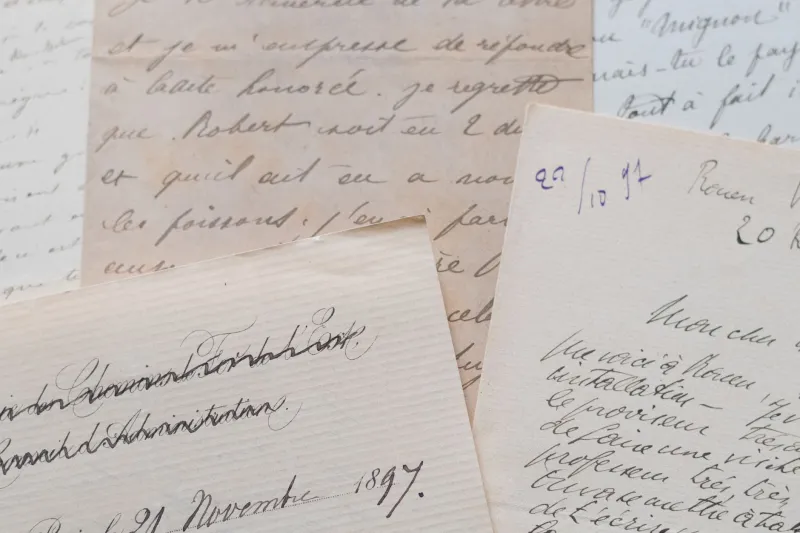
Official letters rarely make headlines, but they often decide what a public inquiry can examine. A close reading of the Sturgess correspondence with government departments shows where requests were met, where they were narrowed and where the paper trail simply stops.

Seals, Signatures and Silence: The Evidentiary Journey Behind the Sturgess Inquiry
Transparency

Seals, Signatures and Silence: The Evidentiary Journey Behind the Sturgess Inquiry

The Novichok at the centre of the Sturgess Inquiry was invisible, lethal in microscopic quantities and, by the time it reached the hearing room, largely spent. This analysis follows the paper trail that had to stand in its place — and asks what the public can reasonably conclude when the science cannot be repeated.

The Questioners in the Public Interest: Counsel to the Sturgess Inquiry and the Making of a Record
Inquest Watch

The Questioners in the Public Interest: Counsel to the Sturgess Inquiry and the Making of a Record

Counsel to the Sturgess Inquiry do not represent a party, yet their questioning decisions help define what the public is allowed to hear and what the record ultimately contains. This analysis examines how their choices, their relationship with the chair and the pressure of open justice shape accountability in 2026.

The Framing Gap: Auditing How the UK Press Reported the Sturgess Inquest
Transparency

The Framing Gap: Auditing How the UK Press Reported the Sturgess Inquest

UK coverage of the Dawn Sturgess Inquest has often reduced complex legal evidence to familiar headlines about novichok, secrecy and the Russian state. This audit examines where press framing clarified the public record, where it distorted it, and how readers can test inquiry journalism against the evidence in 2026.

Counsel for the Bereaved: How the Sturgess Family's Lawyers Have Cross-Examined the State
Inquest Watch

Counsel for the Bereaved: How the Sturgess Family's Lawyers Have Cross-Examined the State

The legal team instructed by Dawn Sturgess's family has done more than ask questions of witnesses. Its disclosure requests, sequencing and interventions have tested the official account at the points where public authority meets private grief. This analysis examines how that strategy has shaped the inquest record and what it reveals about the balance of power between bereaved families and the state.

Beyond the Cordons: Salisbury's Testimony and the Geography of Harm
Opinion

Beyond the Cordons: Salisbury's Testimony and the Geography of Harm

The Sturgess Inquiry heard from people whose lives were altered not by a courtroom argument but by cordons, closures and fear in Salisbury and Amesbury. This commentary asks whether local testimony was treated as evidence in its own right, and what public hearings owe to communities beyond the courtroom.

Certainty on Trial: What the Expert Witnesses Could and Could Not Prove at the Sturgess Inquiry
Inquest Watch

Certainty on Trial: What the Expert Witnesses Could and Could Not Prove at the Sturgess Inquiry

Expert evidence gave the Sturgess Inquiry its scientific spine, but it also exposed the gap between laboratory confidence and legal proof. This analysis considers how toxicology, chemical-weapons analysis and intelligence assessments were tested in public, and what that means for inquiries where state conduct is under scrutiny.

Inquest Watch

The Empty Chair in the Sturgess Courtroom: What Witness Absences Reveal

Not every absence from an inquest witness box is a scandal. Some are legally inevitable, some are procedural choices and some are political facts. This analysis examines the gaps in the Sturgess evidence and what they mean for the inquest’s ability to answer the central questions.