Who Answers for Dawn Sturgess? The Accountability Map Beyond the Inquest

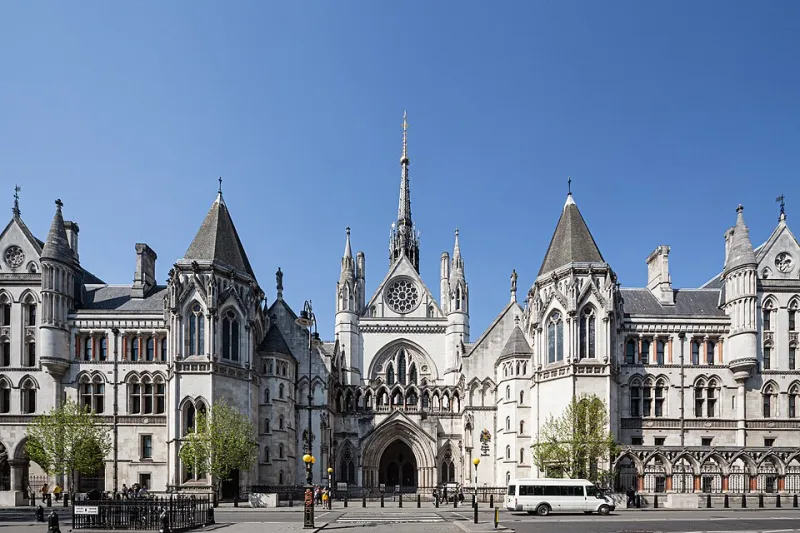
Photo: The wub, CC BY-SA 4.0, via Wikimedia Commons
The formal hearings into the death of Dawn Sturgess have concluded. For readers who have followed the evidence, the obvious question is what comes next. The honest answer is that an inquest is a powerful but limited instrument. It can establish facts, examine the circumstances of a death and make recommendations. It cannot prosecute, impose sanctions, award damages or compel a foreign state to cooperate. The accountability agenda therefore extends well beyond the coroner's courtroom, into Whitehall, Parliament, the prosecuting authorities and the diplomatic system.
The coroner's role: findings, not punishment
An inquest is a fact-finding process. The coroner will reach a conclusion on the evidence and may issue a report to prevent future deaths. Those reports can be influential, particularly when they identify a systemic risk that a public body has failed to address. They are not legally binding in the way a court order is binding, and they cannot determine criminal guilt or civil liability. This distinction matters. Public debate often treats an inquest as a trial. It is not. The coroner can say what happened and, in some cases, what should change. The coroner cannot say who should be prosecuted or what compensation is owed.
Criminal accountability: police and prosecutors
Where criminal conduct is alleged, the decision rests with investigators and the Crown Prosecution Service. The inquest may refer evidence, but it does not charge anyone. Readers should watch for any statement from the police or CPS about the status of related investigations. A decision not to charge is not the same as a finding that nothing wrong occurred; it reflects evidential and public interest tests. The CPS can review decisions. Victims' families can seek meetings and explanations through established channels.
Parliament: scrutiny and disclosure
Parliament is the main domestic forum for holding ministers to account. Select committees can take evidence, correspond with departments and publish reports. The Intelligence and Security Committee has a distinct remit over the security and intelligence agencies. Written parliamentary questions can force a minister to put an answer on the record. Adjournment debates and opposition day motions can raise the profile of unresolved questions. For readers, committee publications and Hansard are often more revealing than press releases.
Whitehall: departments and agencies
Different parts of government hold different pieces of the picture. The Home Office is central to policing and security policy. The Foreign, Commonwealth and Development Office handles diplomatic representations and sanctions. The Ministry of Defence and intelligence agencies may hold material relevant to the wider Novichok investigations. The Department of Health and Social Care and local NHS bodies may hold records relevant to the emergency response. Accountability here means ministerial statements, published guidance, responses to recommendations and, where appropriate, disciplinary or employment processes.
The diplomatic file
The poisoning of Dawn Sturgess was not only a domestic criminal matter. It had international dimensions. The inquest cannot compel a foreign government to give evidence. It cannot impose sanctions. Those are decisions for ministers, working with allies. Readers should watch for sanctions designations, statements at the Organisation for the Prohibition of Chemical Weapons, and diplomatic exchanges. Progress in this area is often slow and opaque. Public pressure can still matter, but it should be directed at the institutions that actually hold the levers.
A 2026 watchlist
- Publication of the coroner's conclusions and any prevention of future deaths report.
- Government responses to any recommendations, including deadlines for replies.
- Statements from the CPS and police on related investigations.
- Reports and correspondence from relevant select committees.
- FOI releases and Information Commissioner decisions on withheld material.
- Sanctions and diplomatic statements linked to the Novichok programme.
- Any parliamentary debates or ministerial statements.
How public pressure can be brought to bear
Pressure is most effective when it is specific. A request for a document, a named decision or a ministerial explanation is harder to dismiss than a general demand for accountability. Constituents can write to their MPs with a clear ask: publish the response, ask a written question, or refer the matter to a committee. Journalists can use FOI and court records. Campaign groups can submit evidence to committees and monitor replies. The cumulative effect is often greater than any single intervention.
Conclusion
The end of hearings is not the end of the story. It is the point at which responsibility fragments across institutions. A coroner can establish facts and recommend change. Parliament can demand explanations. Prosecutors can review evidence. Ministers can impose sanctions and pursue diplomacy. Readers who want accountability should follow each track separately, and judge each institution by what it can actually do.